How We Build an iBlock
A structured, student-centered system designed to empower real-world learning.
Every iBlock is built from a proven sequence of components that turn skills, creativity, and inquiry into a complete learning experience.
“What does an iBlock consist of?”
Here are the key components of iBlocks project-based learning:
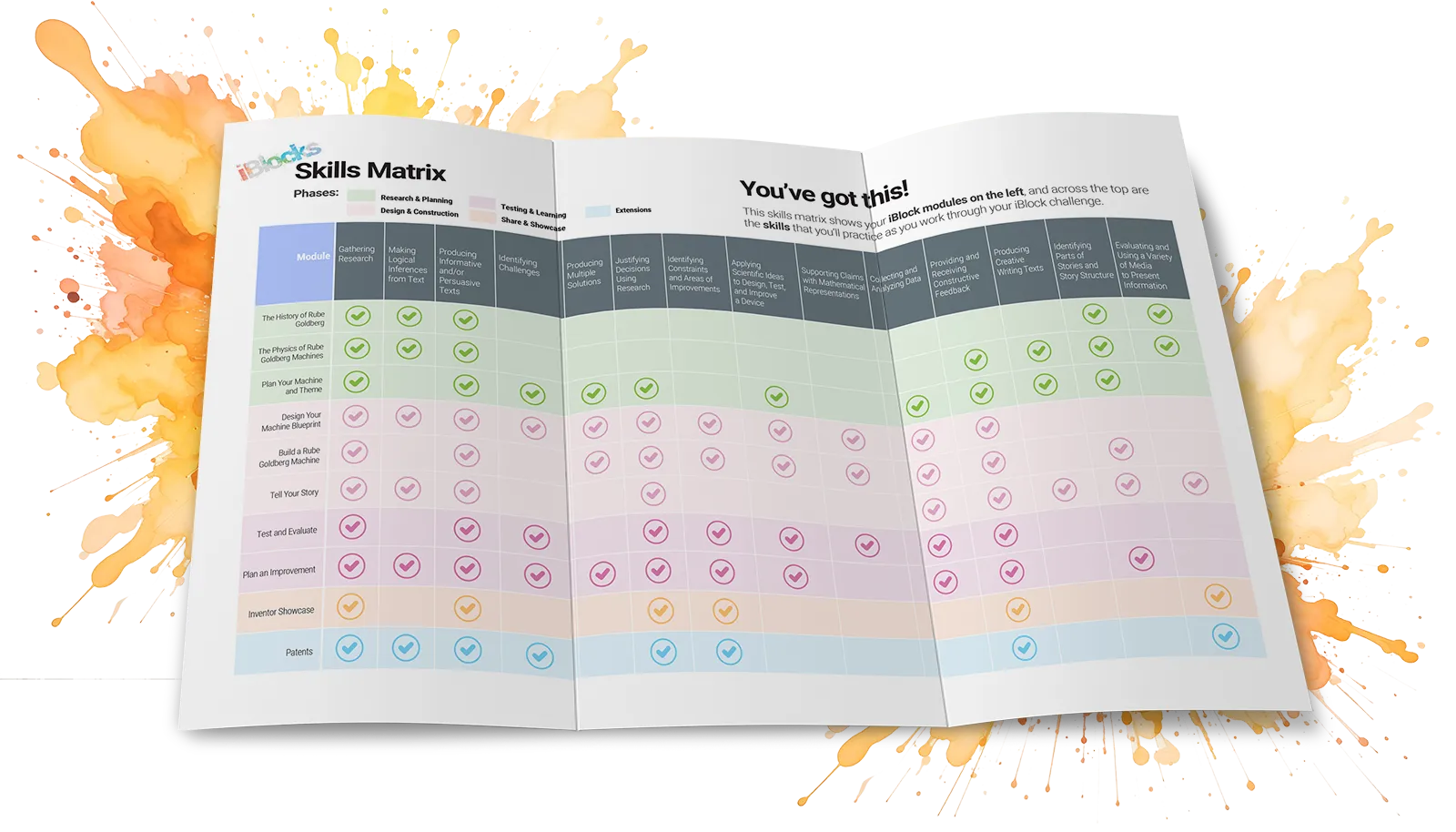
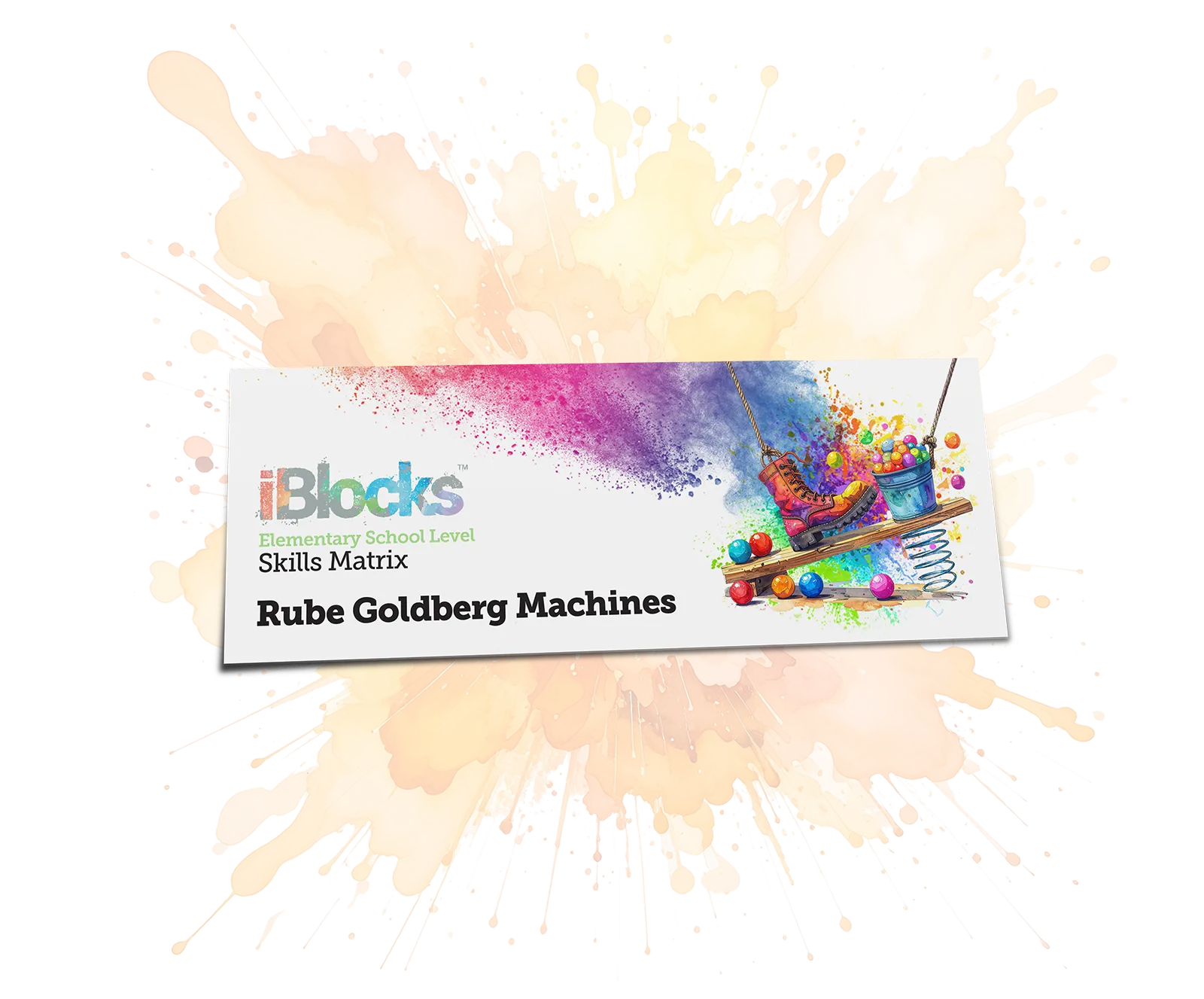
1. Skills Matrix
The Skills Matrix is the foundation of every iBlock. It defines the essential skills, goals, and learning outcomes that shape the entire experience. By mapping out what students should know and be able to do, the Skills Matrix ensures that the iBlock is purposeful, aligned, and measurable from the start.
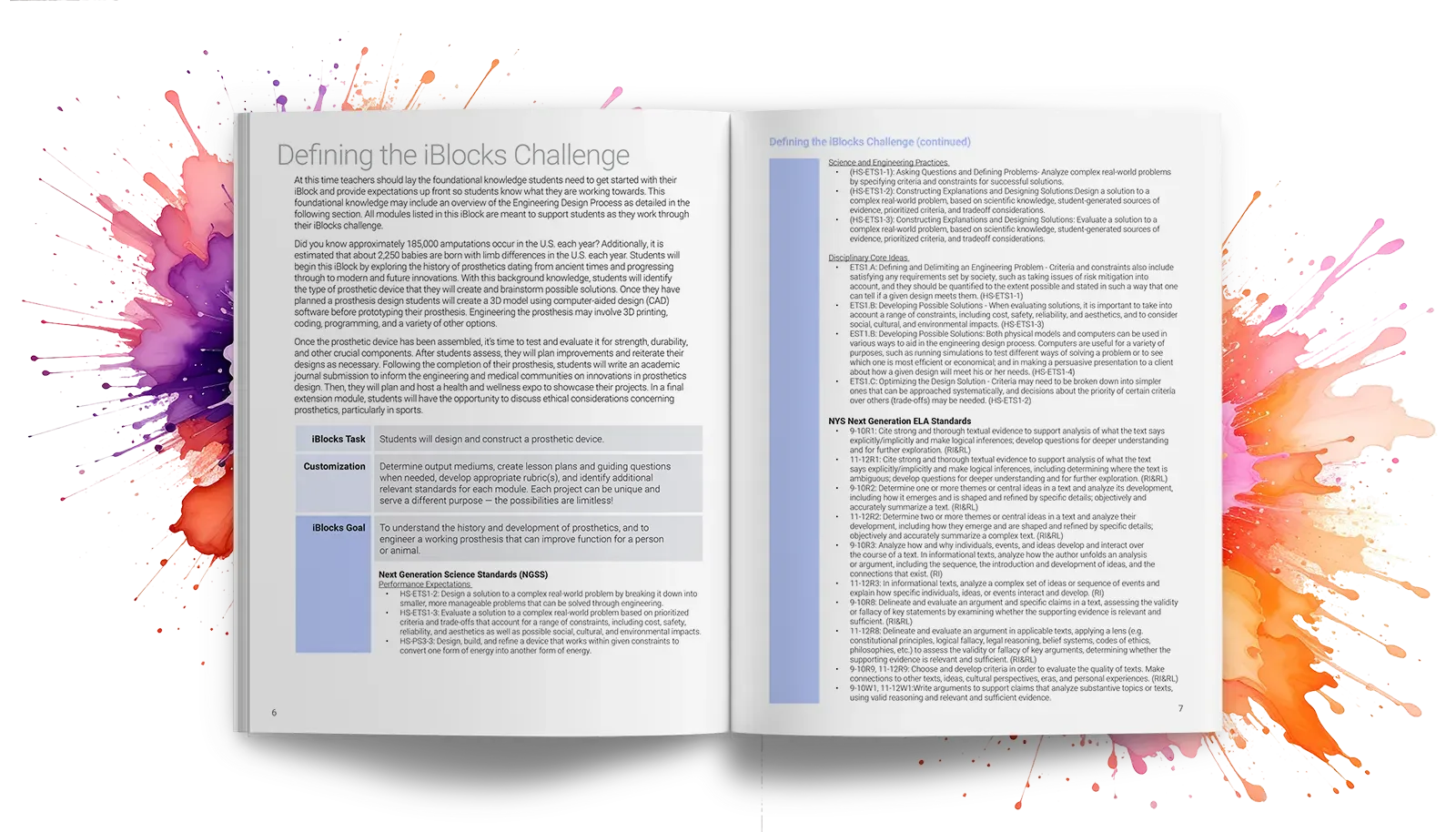
2. Framework
The Framework connects the identified skills to the projected outcomes, structuring the iBlock into clear, sequential modules aligned with the Engineering Design Process. It serves as the blueprint that outlines each step learners will take as they work toward their final challenge or solution.
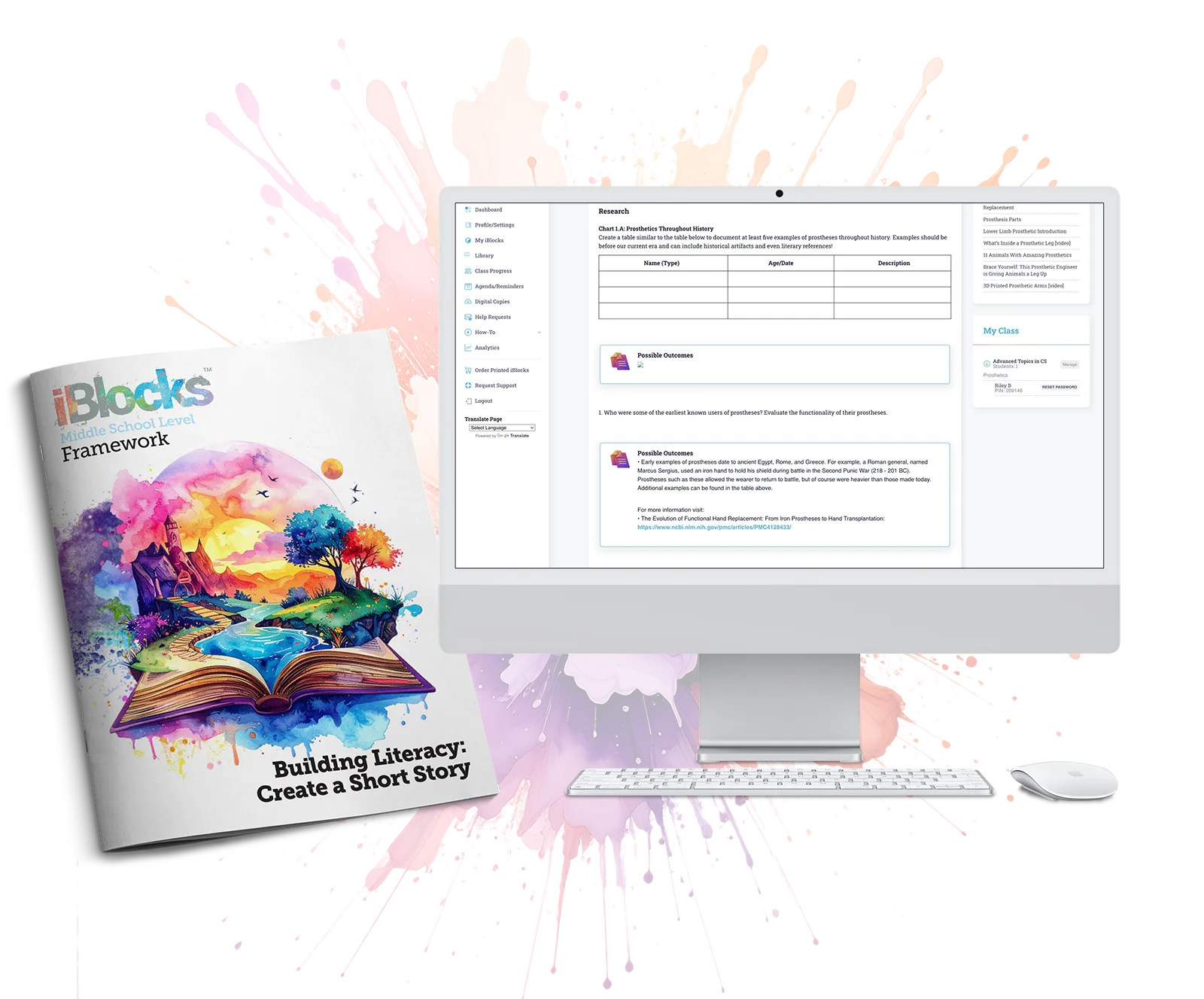
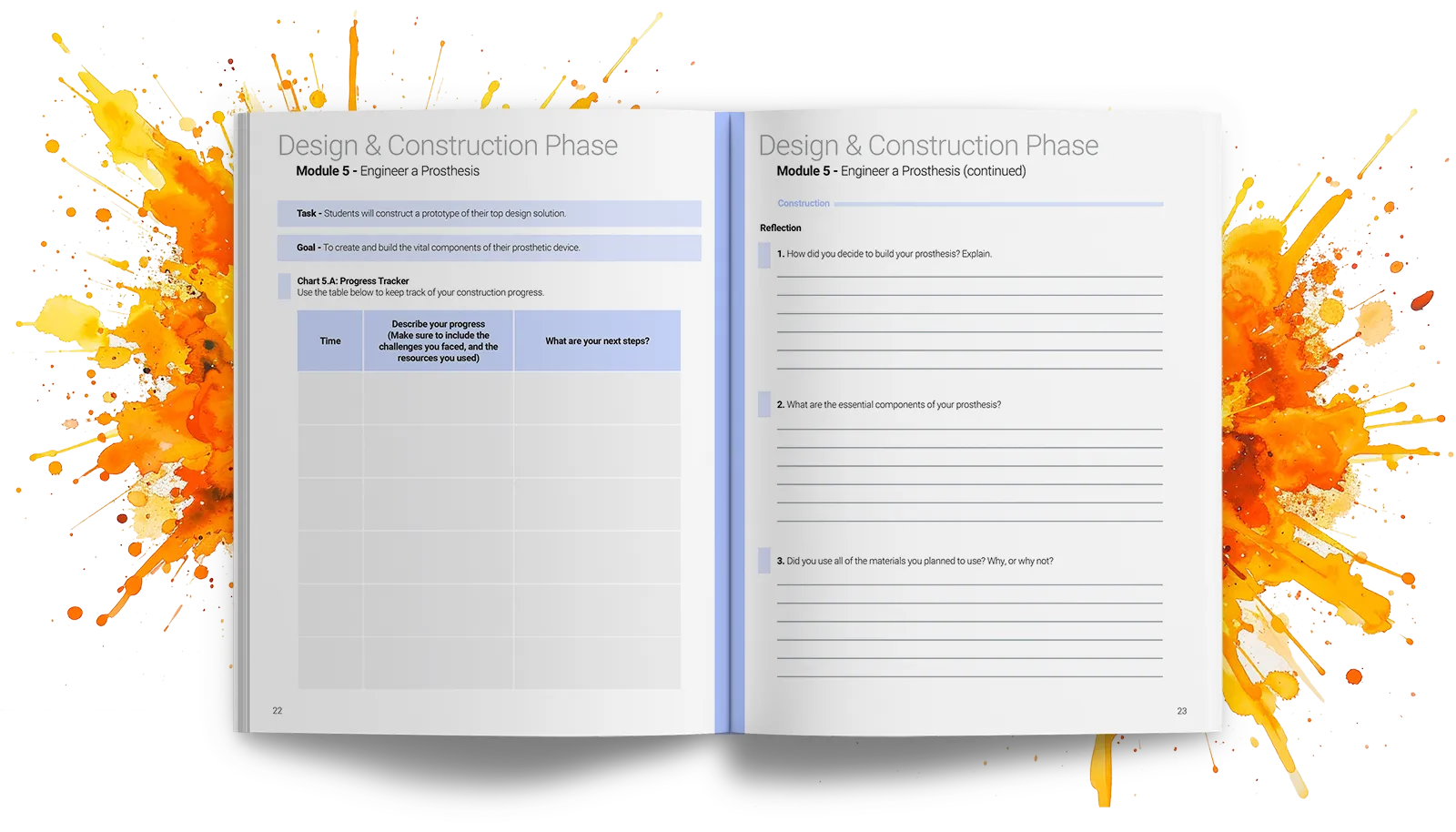
3. Student Workbook
The Student Workbook is a hands-on companion that guides learners through every module. Packed with prompts, activities, and space to reflect and record their thinking, it keeps students engaged as they navigate challenges and document their learning journey from start to finish.

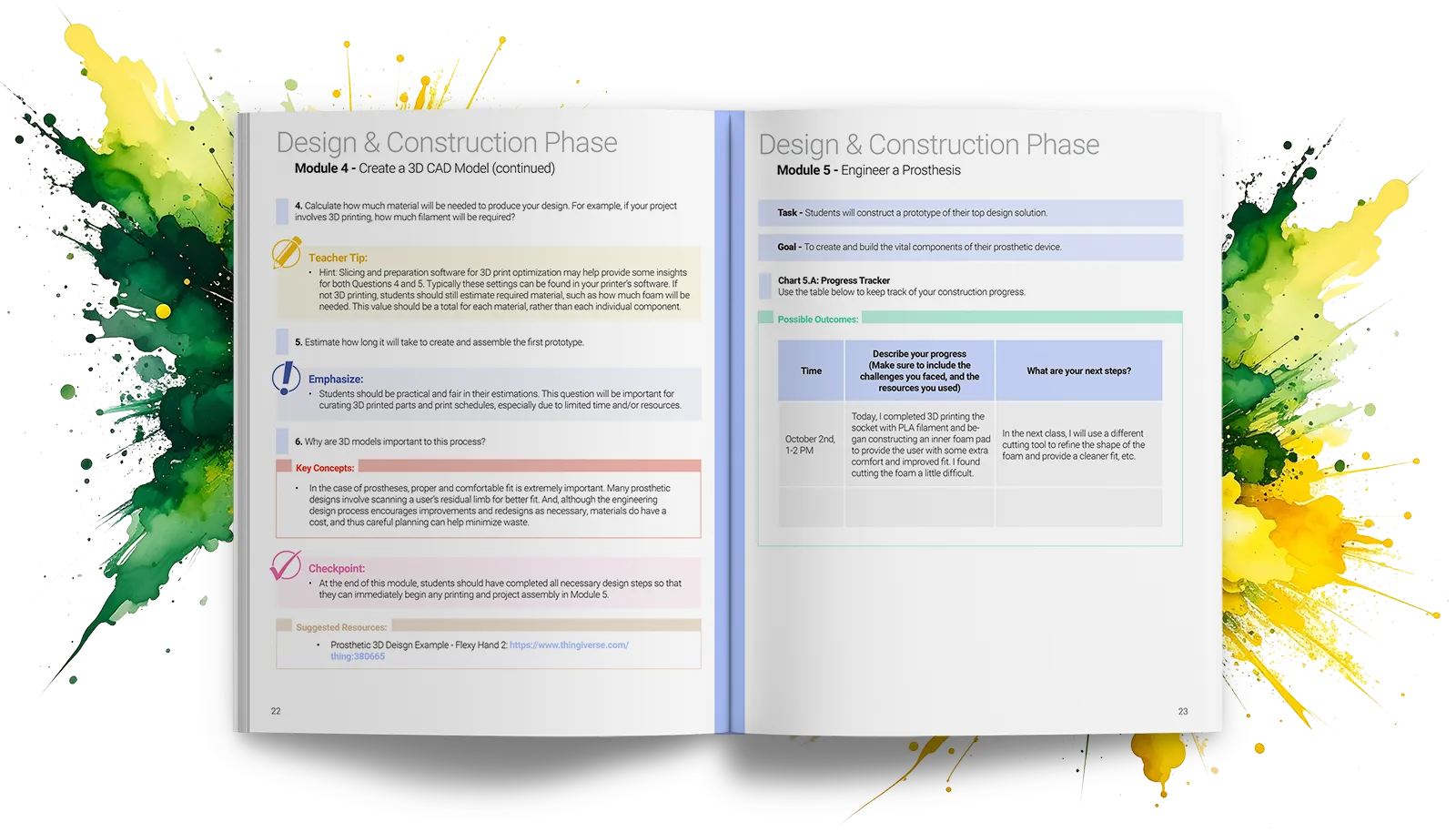
4. Teacher’s Guide
The Teacher’s Guide supports educators as they facilitate the iBlock experience. Mirroring the structure of the Student Workbook, it provides instructional guidance, tips, pacing support, and insights that help teachers lead confidently—regardless of their experience with design-based learning.

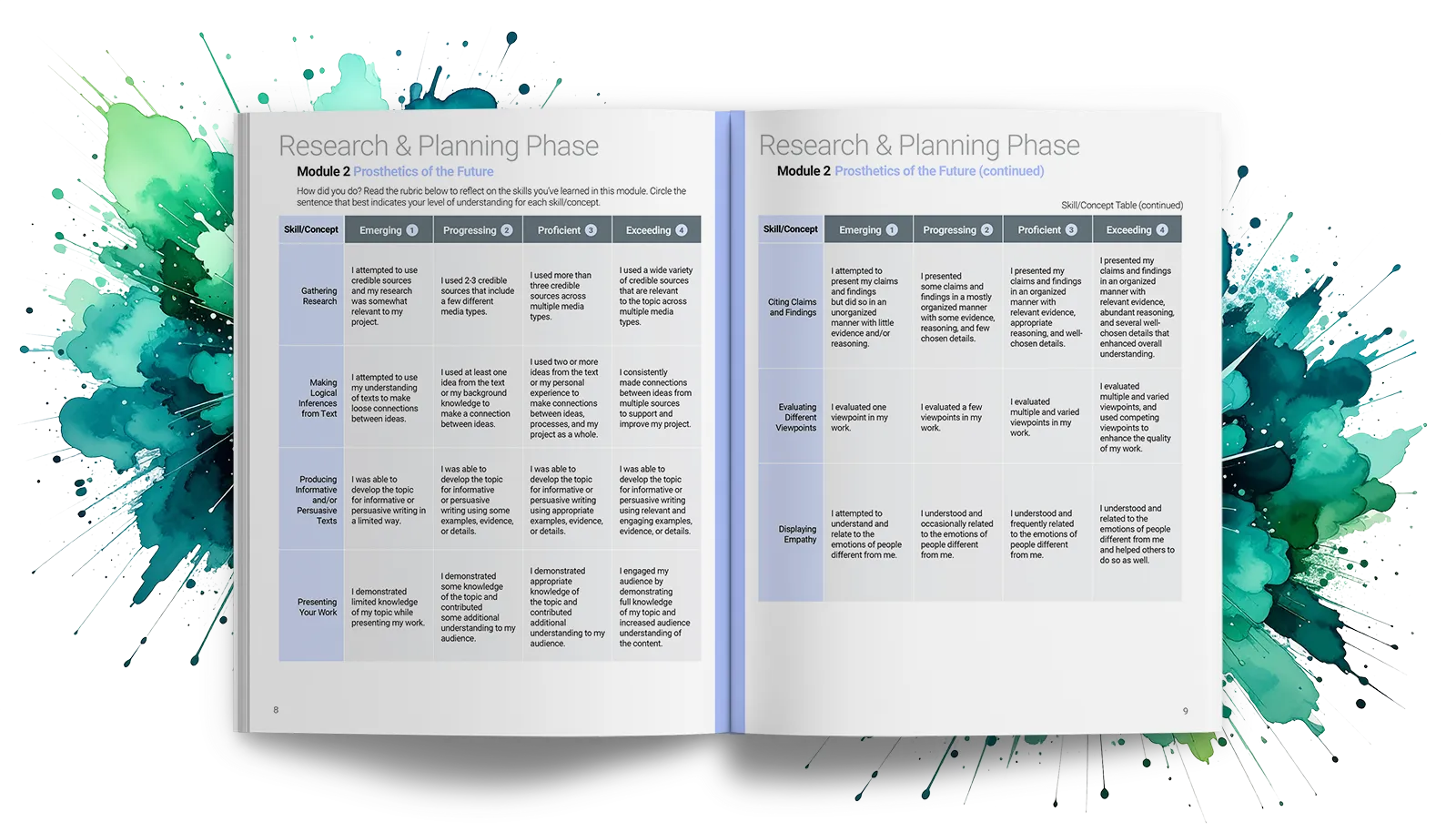
5. Student Self-Assessment
Student Self-Assessments and rubrics help learners reflect on their progress and give teachers real-time insight into understanding. These tools encourage metacognition, accountability, and growth by allowing students to evaluate their skills, track improvement, and celebrate mastery.

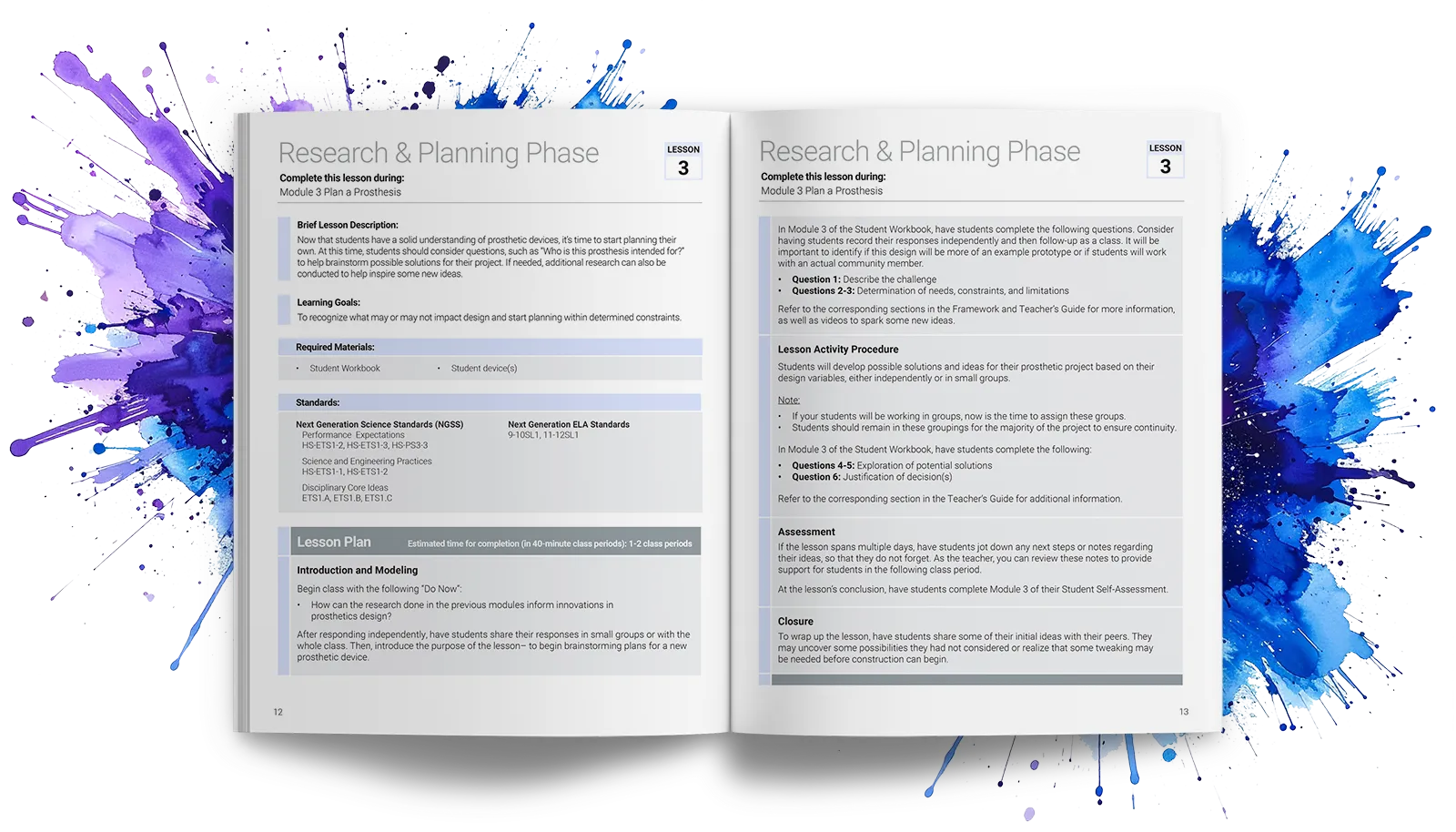
6. Lesson Plan
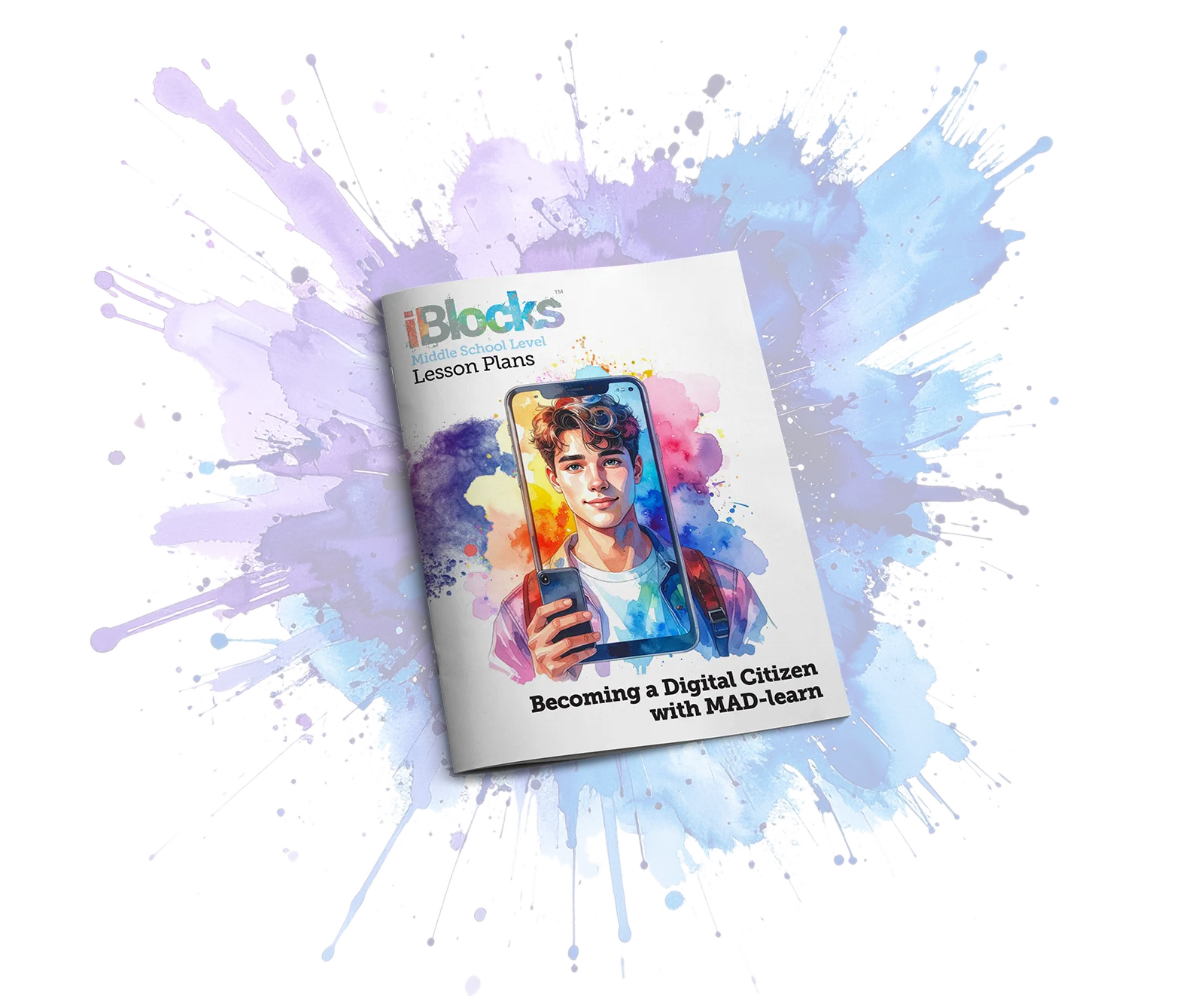
The Lesson Plans are where the full iBlock comes to life. Each plan includes detailed descriptions, desired outcomes, classroom activities, discussion points, and implementation guidance—giving teachers everything they need to deliver a cohesive, high-impact learning experience.